
To kick off the New Year, Bill McKibben reminds us why climate action, political pressure, and elections matter more than ever in 2026, and how Third Actors can step up and take action.
We always hope to begin the new year fresh, full of possibility. The news over the weekend of America’s absurd and violent attack on Venezuela makes that hard—it spurs us, in fact, to put the holidays behind us and get on with the work of 2026, which is deeply connected to the events of the weekend.
Third Actors, of course, are used to the fight against rotten American foreign policy—from Vietnam to Central America to Iraq many of us have been engaged in this work our whole lives. In some ways, our job here is made easier by the fact that no one in the administration is hiding behind any rhetoric about freedom or liberty—from the president on down, they’ve been quite clear that it’s about oil. Which, of course, is a subject we have some expertise in.
So we need to do a couple of things.
1. Encourage our politicians to speak out forthrightly
This will not stop the aggression—we have no practical lever that will slow the administration down, and we won’t have one till we win a majority in the Congress in the midterm elections. But a loud response helps—feel free to point your representatives toward the typically blunt and useful response of my Senator, Bernie Sanders, as a guide.
2. Double down on our Simplify Solar work
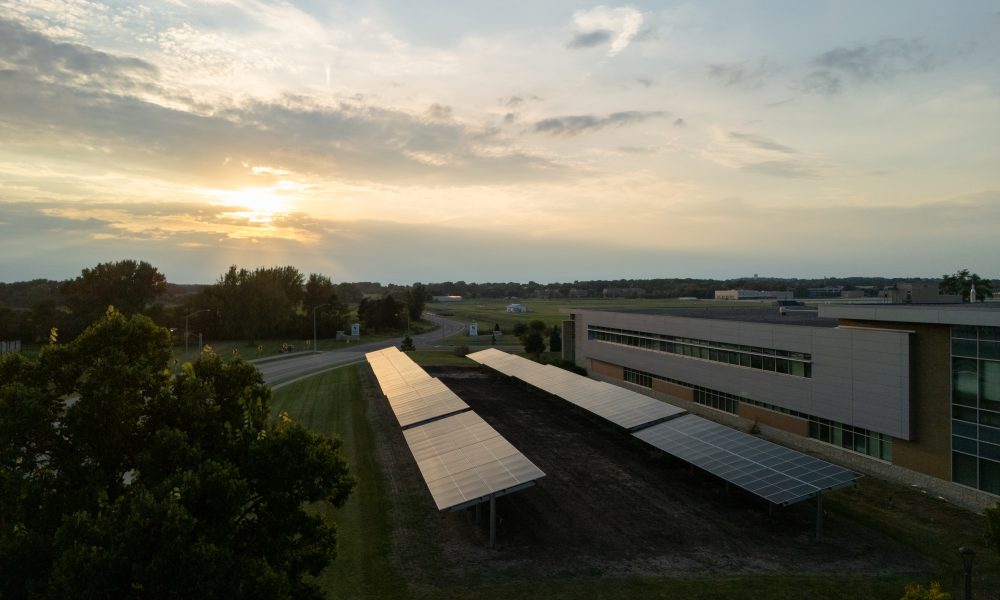
It’s never been clearer that a solar panel is the new peace symbol. We have no way at the moment to keep Trump from bullying other countries for their lunch money, but if lunch was free no one would be carrying cash around in their pockets—that’s a convoluted way of saying that even Trump would have a hard time figuring out how to fight a war over sunshine. (That solar work, by the way, is not impossible, even in this benighted time; it turns out that in 2025, despite the White House’s best efforts, 92 percent of new generating capacity in the U.S. came from sun, wind, and batteries). I get that putting up solar panels seems small compared to the threats we’re facing—but every single one of them undercuts the thirst for oil that drives so much mischief.
3. Prepare hard for election season—including the need to keep it free and fair
One early chance: a nationwide Zoom discussion next week about the release of new data showing that climate-focused older voters may hold the balance of power in crucial states. Here’s a teaser from the report: “climate-first voters aged 65+ could make up 7.2% of the Arizona midterm electorate, 7.4% of the Pennsylvania midterm electorate, and 7.5% of the New Hampshire midterm electorate.” And another with the great organizer Daniel Hunter about how we stand up to authoritarianism right now!
We should try to teach [America] some manners, but we should also childproof the planet.
I spent much of the holidays hanging out with my entirely delightful grandson. So I wasn’t thinking of Asa when I wrote this essay over the weekend, concluding: “America, in the image of its leader, is a bizarrely destructive and absurdly oversized toddler, unable to reason beyond its own wants and impulses. We should try to teach it some manners, but we should also childproof the planet.”
We’ve got our work cut out for us, but we’re ready to get at it.
No War For Oil! Take Action Now!
Act Now
Bill McKibben
Bill McKibben is a founder of Third Act, which organizes people over the age of 60 to work on climate, democracy, and racial justice. He founded the first global grassroots climate campaign, 350.org, and serves as the Schumann Distinguished Professor in Residence at Middlebury College in Vermont. In 2014 he was awarded the Right Livelihood Prize, sometimes called the ‘alternative Nobel,’ in the Swedish Parliament. He’s also won the Gandhi Peace Award, and honorary degrees from 19 colleges and universities.
He has written over a dozen books about the environment, including his first, The End of Nature, published in 1989. His most recently released book is The Flag, the Cross, and the Station Wagon: A Graying American Looks Back at his Suburban Boyhood and Wonders What the Hell Happened.
Share This


Ways to get involved
All the different ways you can get involved with Third Act:


